

When the morning fog mixes with dust and pollutants, every breath feels heavy, and every citizen silently wishes for cleaner air. For years, Punjab’s skies have been clouded with smog, choking life and energy from its cities. Today, that’s about to change. The Punjab government has introduced advanced systems to monitor, forecast, and fight smog — the first time in history that such a large-scale environmental defense effort is being deployed.
This initiative promises not just cleaner air but also safer streets, healthier lives, and a stronger future for Pakistan’s most populous province. The campaign isn’t limited to technology — it’s about hope, prevention, and responsibility. It’s about giving citizens control over the air they breathe and ensuring no one has to live under the constant threat of toxic pollution again.
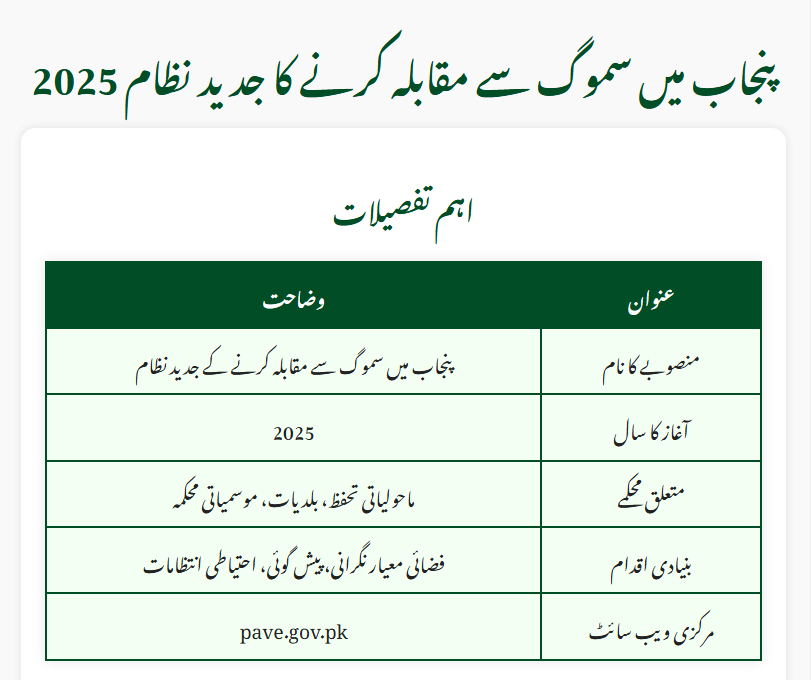
| Title | Description |
| Project Name | Punjab Launches Modern Systems to Fight Smog |
| Launch Year | 2025 |
| Lead Departments | Environment Protection, Local Government, Climate Control |
| Core Actions | Air quality monitoring, forecasting, public awareness |
| Official Website | pave.gov.pk |
What Is the Punjab Modern System to Fight Smog?
The Punjab Launches Modern Systems to Fight Smog initiative introduces cutting-edge technology to track and manage air pollution before it becomes dangerous. For the first time, Punjab has installed real-time air quality monitoring devices across major cities. These systems collect and analyze air data — detecting pollutants early, forecasting changes, and issuing timely alerts. Authorities are focusing on reducing crop residue burning, controlling industrial emissions, and stopping garbage or plastic burning.
“Clean Punjab” teams are already active in cities, spraying water on dusty roads, covering debris at construction sites, and ensuring consistent cleanliness to reduce airborne particles. This modern setup makes Punjab the first province in Pakistan to use predictive, data-driven environmental protection — a true shift toward smarter governance and public safety.

Why Did Punjab Launch Modern Systems to Fight Smog?
The purpose behind Punjab Launches Modern Systems to Fight Smog is simple yet vital — to protect human health and the environment. Every year, when winter approaches, smog returns stronger due to crop burning, dry air, and vehicle emissions. This year, Punjab aims to break that cycle. By combining technology, awareness, and enforcement, the government plans to ensure clean air and prevent the respiratory illnesses that affect thousands during the smog season. Chief Minister Maryam Nawaz Sharif has directed strict action against all illegal burning practices, assigning ministers and local administrations to monitor compliance province-wide.
Implementation & Monitoring
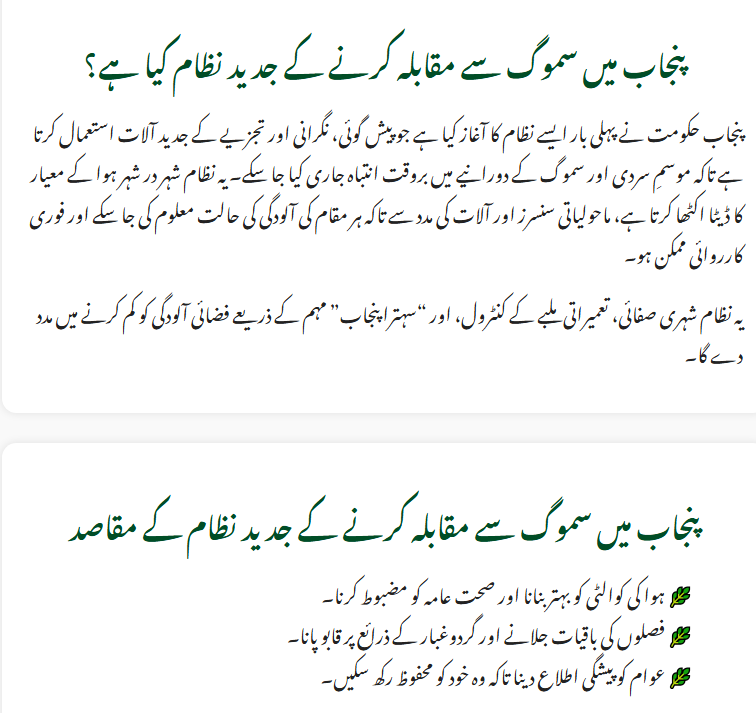
| Area | Initiative |
| Monitoring Devices | 43 new air quality sensors installed |
| Data Forecasting | 5-day air quality prediction system |
| Enforcement | EPA, Police, Local Government coordination |
| Citizen Role | Public awareness and reporting system |
| Support Programs | “Clean Punjab” citywide cleanup drives |
These steps reflect a clear commitment to environmental reform — moving from reaction to prevention through technology and collaboration.
Who Will Benefit from Punjab’s Modern Smog Control System?
This initiative benefits everyone — especially:
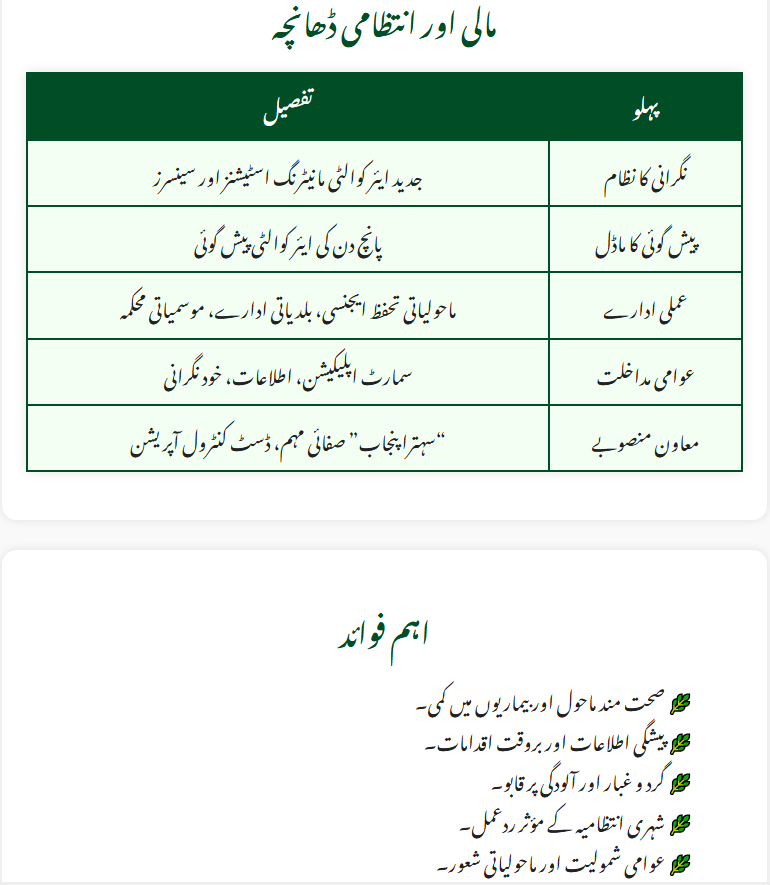
- Citizens who breathe Punjab’s polluted air daily.
- Children and elderly vulnerable to respiratory issues.
- Outdoor workers such as delivery riders, traffic police, and construction staff.
- Farmers, who will receive guidance and support to avoid harmful burning practices.
- Health professionals and local authorities, who now have real-time data to plan responses effectively.
By combining public participation with smart systems, Punjab’s fight against smog turns into a collective mission rather than a one-time campaign.
What Are the Benefits of Punjab Launches Modern Systems to Fight Smog?
This landmark project brings multiple short- and long-term benefits:
- Cleaner Air, Healthier Lives – Reduced pollution means fewer hospital visits and better quality of life.
- Early Warnings and Prevention – Citizens will receive air quality alerts before smog intensifies.
- Environmental Protection – Lower emissions, reduced waste burning, and greener cities.
- Efficient Response – Local departments can act faster using accurate data.
- Public Awareness – Citizens will become more conscious and responsible about environmental care.
Comparison: Traditional vs. Modern Smog Control
| Aspect | Old System | Modern System |
| Data Access | Limited and delayed | Real-time, live updates |
| Government Response | Slow and reactive | Fast and predictive |
| Public Alerts | Minimal | Widespread notifications |
| Citizen Role | Passive | Active and participatory |
| Long-term Impact | Temporary relief | Sustainable improvement |
This shift shows how Punjab Launches Modern Systems to Fight Smog is transforming environmental management from outdated methods to scientific precision.


How Will Punjab’s Modern Smog Control System Work?
Here’s how the system operates step by step:
- Air Quality Stations are installed in major cities to track pollution in real time.
- Weather and wind data are analyzed to forecast smog intensity for the next five days.
- Alerts and public advisories are issued through digital platforms when air quality drops.
- “Clean Punjab” teams spray water, remove dust, and cover construction debris.
- Administrative teams inspect factories and enforce anti-burning laws.
- Data feedback helps continuously improve forecasts and action plans.
This cycle of real-time monitoring, enforcement, and awareness creates an ongoing shield against seasonal smog.
Latest Progress
| Stage | Details |
| Devices Installed | 43 across major cities |
| Forecast Duration | 5 days |
| Air Quality Readings | Lahore: 152, Gujranwala: 160, Faisalabad: 156, Kasur: 144 |
| New Measures | Smog cannons, street washing, air sprinklers |
| Public Involvement | Awareness campaigns and complaint systems |
These figures reflect Punjab’s rapid move toward smart environmental management and proactive prevention.

What Challenges Could Punjab Face in This Initiative?
Even with modern technology, challenges remain:

- Ensuring accurate data from all monitoring stations.
- Maintaining sensors and devices in remote areas.
- Building consistent public cooperation for long-term results.
- Managing financial and technical resources effectively.
- Keeping forecasts reliable despite changing weather patterns.
Strong coordination between departments, experts, and citizens will be crucial to overcome these issues.
Conclusion
The Punjab Launches Modern Systems to Fight Smog initiative marks a new era for environmental protection in Pakistan. This isn’t just about machines and data — it’s about saving lives, protecting future generations, and restoring the right to breathe clean air.
With smart monitoring, strict enforcement, and active citizen involvement, Punjab is setting an example for all other provinces.
If sustained with the same passion and discipline, this modern system will turn the gray skies of Punjab into a brighter, healthier future.
For official updates and application details, visit:
👉 pave.gov.pk
FAQs
1. What is the Punjab Launches Modern Systems to Fight Smog initiative?
It’s a province-wide project using technology and strict monitoring to reduce pollution, predict smog, and improve air quality.
2. When was the project launched?
The project was officially launched in 2025 under the leadership of Chief Minister Maryam Nawaz Sharif.
3. How does the monitoring system work?
It uses 43 advanced air quality sensors that provide real-time pollution data and five-day forecasts to prevent smog buildup.
4. Who benefits from the project?
Every citizen of Punjab benefits, especially students, workers, and elderly people who are most affected by air pollution.
5. How can the public help reduce smog?
By avoiding garbage or crop burning, maintaining cleanliness, and reporting pollution sources to authorities.